SPONSORED
VERIFIED

10 minutes, 53 seconds
-40 Views 0 Comments 0 Likes 0 Reviews
Took me about three years of owning dogs before anybody mentioned organs. I fed kibble, the dog was fine, end of story. Then a breeder I know asked what I thought the best organ meat for dogs was and I just stared at her like she’d spoken French. Turns out wolves go for the liver, the heart, the guts, and often leave the muscle for later. Makes sense once you think about it. That’s where the dense nutrition sits.
Plain muscle meat, chicken breast say, is a bit like a person living off toast. You’ll get by. Won’t be great though. Organs carry vitamin A, B12, iron, copper, zinc and folate in amounts muscle just can’t match, and a tiny portion does the work of a much bigger pile. Coat, energy, immune system, how a dog holds muscle when he gets older, a lot of that leans on this stuff. Plenty of commercial foods cover the gap with a vitamin premix, and vets will tell you that works okay. I lean toward real food when I can, but that’s a preference, not a law.
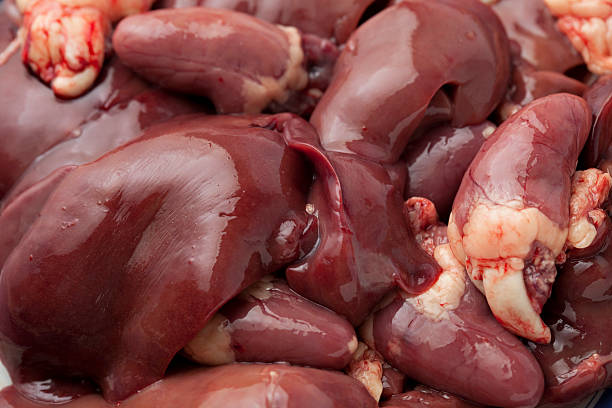
If you only add one thing, make it liver. Beef, chicken, lamb, turkey, whichever you can find. Beef is richer. Chicken is milder and cheaper, which is why I started there. Dogs lose their minds over the smell either way, so getting them to eat it is never the problem.

The problem is vitamin A. Too much for too long and you’re looking at bone changes, sore joints, and in bad cases real toxicity. So no, the handful because he gave you the sad eyes isn’t a good idea. A small amount, regularly, beats a big dump every so often. I’ve watched people get excited after reading one article and triple the portion overnight. Then the dog’s stomach pays for it, and so does their carpet.
Kidney gets ignored a lot. It’s got B vitamins, iron and selenium, and it’s useful because you can rotate it in so liver isn’t doing all the work. Fair warning, it smells. Really smells. Freeze it for a bit first or cook it lightly if your nose is sensitive.
Heart is technically muscle but everyone files it under organs anyway, and I won’t fight them. Taurine and CoQ10 are in there, which is kind of funny since both are good for, well, hearts. Beef heart is lean and not too expensive. Spleen brings iron. Pancreas has digestive enzymes. Lung is mostly filler, dogs happily chew it but there isn’t a ton of nutrition in it. Then there’s tripe, the stomach lining, which sits in its own corner and people argue about whether it counts as an organ at all. Green tripe, the unbleached kind, smells like a swamp. Dogs think it’s perfume. I’d call it a nice extra, not a substitute for liver or kidney.
The number floating around raw feeding circles is 80/10/5/5. That’s 80 percent muscle meat, 10 percent edible bone, 5 percent liver, and 5 percent other organs like kidney or spleen. So organs end up around 10 percent of the whole diet, and about half of that is liver. It isn’t gospel. Think of it as a place to start and adjust from.
Most people aren’t feeding fully raw though. If you’re on kibble, treat organs like a topper, a spoonful over a balanced meal, not the meal itself. And small dogs need way less than you’d guess. A Chihuahua might get a teaspoon a couple of times a week. A Lab can handle more. Whatever size your dog is, start tiny and introduce one organ at a time, waiting a few days between. If something upsets his stomach you’ll know exactly which one did it. A week of loose stool teaches you faster than any blog post will.
I’ve changed my mind on this one more than once, so take it with a grain of salt. Raw keeps everything intact, nobody argues that. It also carries bacteria, salmonella and listeria mostly, and that’s a risk for you as much as the dog. Wash your hands. Wash the bowl. Keep it away from toddlers and anyone with a weak immune system. It’s boring advice but it matters.
Lightly cooked is a decent middle road. You lose a bit of nutrition, you cut a lot of the pathogen worry. Freeze-dried organ treats are crazy convenient, they last forever in the cupboard and dogs treat them like gold coins. Just flip the package over, because some are pure organ and some are mostly filler with a little organ waved over the top. Dehydrated works fine too. Pick whatever fits your life, then stay consistent and keep an eye on how your dog’s gut handles it.
Totally fair. Plenty of busy people do, and I don’t judge it. When I’m hunting for the best dog food with organ meat, I ignore the front of the bag completely. The front is marketing. I read the ingredient list. If I see chicken liver, beef kidney or turkey heart sitting near the top, good. If it just says “meat by-products,” that’s vague, and vague makes me twitchy. Not always bad, just unclear, and I like knowing what my dog eats.
You’ll find kibble, canned, fresh-frozen and freeze-dried options with organs built in. Some brands put in 10 to 25 percent, others barely a dusting. Check for the words “complete and balanced” too, because a food that’s all organ and nothing else isn’t safe long term. Fresh and freeze-dried cost more than kibble, no surprise there. Mostly you get what you pay for.
Number one, too much too fast. Owner reads something online, gets fired up, feeds a mountain of liver, dog gets sick. Number two is feeding the same single organ forever. Every organ has its own mix of nutrients and you don’t want to pile up on one vitamin while missing another.
Sketchy sourcing is another. Grocery store organs are fine if they’re fresh, though pet-grade stuff from a reputable supplier is safer for raw feeding. And don’t skip your vet if there’s a health issue. Kidney disease, pancreatitis, copper storage problems like in Bedlington Terriers, all of those need a professional’s say-so first. Puppies too, their calcium and vitamin balance is delicate. If your dog has allergies, bring in each organ solo so you can spot the culprit.
Organ meat isn’t magic. It’s just dense, useful food that most dogs never get. Liver for the punch, kidney for variety, heart for the taurine, a few odd ones now and then. Keep portions small, around 10 percent if you feed raw, less if you’re topping kibble. Go slow, and watch the stool, the energy, the coat.
And if the math makes your head hurt, a good commercial food with real, named organs is perfectly reasonable. Read the label. Call your vet when something seems off. Don’t let internet arguments scare you into overthinking it. Your dog doesn’t care about the debate. He wants dinner. Feed him well, mix it up a little, and give it a few weeks. You’ll probably notice.


At our community we believe in the power of connections. Our platform is more than just a social networking site; it's a vibrant community where individuals from diverse backgrounds come together to share, connect, and thrive.
We are dedicated to fostering creativity, building strong communities, and raising awareness on a global scale.


