FEATURED
SPONSORED
VERIFIED

11 minutes, 26 seconds
-48 Views 0 Comments 0 Likes 0 Reviews
Let me say it up front. A 308 AR pistol is not a beginner’s toy. It’s heavy, it kicks, and it’s loud. But if you’ve shot a 5.56 AR pistol and thought “I want more punch in the same footprint,” this is where you end up. We see it at Red Cliffs Tactical, Inc. all the time. Folks come in with a 5.56 build, spend a weekend at the range, and then start asking about the big-bore version.
A 308 AR pistol is built on the larger AR-10 style platform, chambered in .308 Winchester (or 7.62x51 NATO, close cousins, but check your chamber markings). It has a short barrel, no stock, and usually a brace or just a plain buffer tube cap depending on your setup and your local laws.
The receiver is bigger than an AR-15. The bolt is bigger. The magazines are bigger. Everything is just beefier, and you feel it when you pick it up. A loaded one can land somewhere around eight to ten pounds depending on the optic and handguard, and that’s before you add a light.
Why build one? Power in a compact package. That’s it. Hunting in thick brush, truck gun duty, range fun, or just because you like building things.
Barrel length matters more with this cartridge than people think. A 308 needs some room to burn its powder, so a 16 inch barrel is happy and a 7.5 inch barrel is... loud and not very efficient. Most pistol builds land between 10.5 and 12.5 inches, which is a decent trade.
You lose some velocity, no way around it. You also get a flash and blast that will make your neighbors at the range look over. A good muzzle brake or flash hider helps, and honestly you’ll want one. Don’t skip it to save forty bucks.
If you’re shooting inside 300 yards, the short barrel does the job just fine. Past that, you’re asking a lot of it.
This is where most first-timers get tripped up. AR-10 parts aren’t all interchangeable. There are two main patterns, DPMS style (often called LR-308) and SR-25 style, and mixing them is a headache. Magazines, upper receivers, and even some bolt carrier groups differ. Pick one pattern and stay with it.
The big pieces you’ll need:
Lower receiver and upper receiver that match each other
Barrel with the right gas system length
Bolt carrier group built for .308
Buffer tube, spring, and a heavier buffer
Handguard, muzzle device, and trigger
If you’re sourcing ar15 pistol parts for a smaller sibling build at the same time, keep your piles separate. Seriously. We’ve had customers mix up small parts and then wonder why nothing fits. Many pins, springs, and fire control pieces look similar but aren’t the same between the two platforms. Label your bags and thank yourself later.
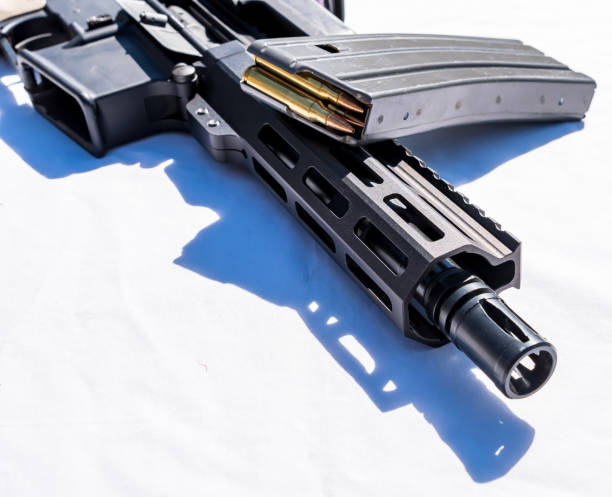
Here’s the part nobody likes to talk about. Short barrel plus big cartridge equals a lot of gas pressure at the port. Pistol length gas systems on a 308 can run overgassed, which means harsher recoil and parts wearing faster.
An adjustable gas block fixes a lot of that. Run a heavier buffer, maybe a carbine or rifle weight, and test it. Don’t just assume. Shoot it, watch where the brass goes, and adjust. If brass flies way out past ten feet, you’re probably too hot. If it’s dribbling out or you get short stroking, you’re too tight.
A little tuning goes a long way. Spend an afternoon at the range with a few different loads and you’ll find the sweet spot.
Most people stick a red dot or a low power variable optic on a 308 AR pistol. A 1-6x is a great middle ground. Magnified optics on a short heavy gun can get tiring though, so think about how you’ll actually use it.
On the stabilizing brace side, the legal picture has moved around a lot over the past few years. Rules changed, got challenged in court, and may change again. Before you buy a brace or finish your build, check the current federal rules and your state and local laws. Don’t just trust a forum post from 2022. Rules differ by state, and some places restrict certain features or magazine sizes outright.
Weight management matters too. Slim handguard, lightweight optic mount, and a compact trigger setup can shave a few ounces that you’ll definitely notice after fifty rounds.
.308 ammo costs more than 5.56. You’ll feel that at the register. Cheap steel case stuff works in some builds and gives others trouble, so buy a small box first and test before you stock up.
Magazines are another spot to watch. Quality varies a lot. Stick with proven brands, and check that they fit your pattern, DPMS or SR-25. A bad magazine causes more malfunctions than almost anything else in a new build. We tell everyone the same thing: don’t cheap out on mags.
Twenty round magazines are the common size and they’re easy to handle. Bigger ones exist but they get awkward fast on a pistol.
Depends on what you want. If you want light and easy, go 5.56 or even 300 Blackout. If you want a gun that hits hard and you don’t mind weight and noise, the 308 AR pistol is a blast, no pun intended.
It’s a satisfying build too. You learn a lot about gas systems, buffers, and how everything works together. Even if you’ve built a dozen ARs, the 308 version teaches you something new.
Start with a plan. Decide your barrel length, your parts pattern, and your budget before you buy a single piece. Then buy quality where it counts: barrel, bolt carrier group, and magazines. Everything else can be upgraded later.
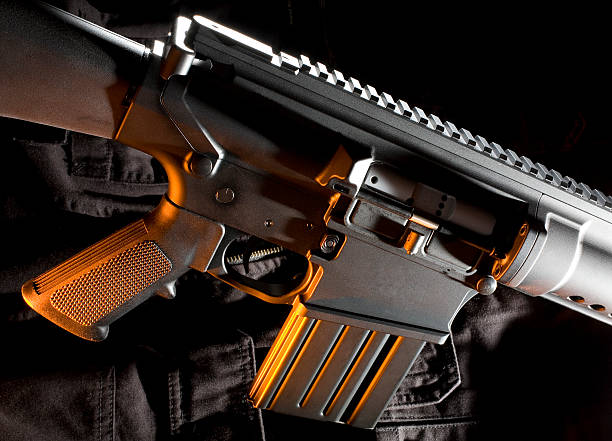
A 308 AR pistol gives you serious power in a short package, but it asks for a bit more patience than a smaller AR build. Pick one parts pattern and stick with it. Tune your gas and buffer. Don’t skimp on magazines or the muzzle device. Those few choices make the difference between a gun you love and a gun that sits in the safe.
If you’re mixing platforms or piecing things together over time, keep track of your ar15 pistol parts separately from your larger frame components. It saves time and avoids the classic “why doesn’t this fit” moment on the workbench.
At Red Cliffs Tactical, Inc., we’d rather help you get the build right the first time than sell you something twice. Bring your questions, check your local laws, and take your time. A good build isn’t rushed, and your ar15 pistol parts and .308 components should work together as a system, not a random pile of pieces.
It’s a short barreled AR-10 style firearm chambered in .308 Winchester or 7.62 NATO, built without a traditional shoulder stock. It offers more power than a 5.56 pistol but comes with extra weight and recoil.
Mostly no. Some small parts like certain pins, springs, or grips may swap, but upper and lower receivers, bolt carrier groups, and magazines are different. Always confirm compatibility before buying ar15 pistol parts for a .308 build.
Most builders choose between 10.5 and 12.5 inches. That range balances size, velocity, and manageable blast. Shorter barrels lose speed and get louder, so think about your actual use before going too short.
You don’t need one, but it helps a lot. Short barrels tend to run overgassed, and an adjustable block lets you dial in smoother cycling and softer recoil. Many builders consider it worth the extra cost.

At our community we believe in the power of connections. Our platform is more than just a social networking site; it's a vibrant community where individuals from diverse backgrounds come together to share, connect, and thrive.
We are dedicated to fostering creativity, building strong communities, and raising awareness on a global scale.


