
11 minutes, 14 seconds
-1 View 0 Comments 0 Likes 0 Reviews
Pallets are the least exciting part of shipping. Nobody thinks about them until they break, run out, or quietly eat a hole in the budget. Then everyone cares. We’ve seen warehouses grind to a halt on a Monday morning just because the stack ran dry. It’s a silly problem to have. Honestly, the fix is simpler than most people expect. A good pallet recycling company can solve most of it, and it often costs less than buying new. This post covers how recycling works, how to find a reliable supplier, and what to check before you buy used. No fluff. Just what matters when you’re trying to keep freight moving.
A pallet recycling company collects used pallets, sorts them, repairs the fixable ones, and sells them back into the market. Sounds simple, and it kind of is. The real skill is in the sorting. Not every pallet deserves a second life, and a good yard knows the difference fast.
Here’s the usual process:
Pick up old pallets from warehouses, retailers, and factories
Sort by size, type, and condition
Repair boards, stringers, and blocks where needed
Grade the finished pallets so buyers know what they’re getting
Grind up anything too broken into mulch or fuel
That last step matters. A reliable pallet recycling company doesn’t just dump junk in a landfill. Broken wood gets ground down and reused. Done right, almost nothing goes to waste.
Quality control is where yards really separate themselves. Some just slap a nail in and call it done. Better ones inspect every pallet, match the repair to the damage, and stack them neatly. You can usually tell the difference within five minutes of walking the yard.
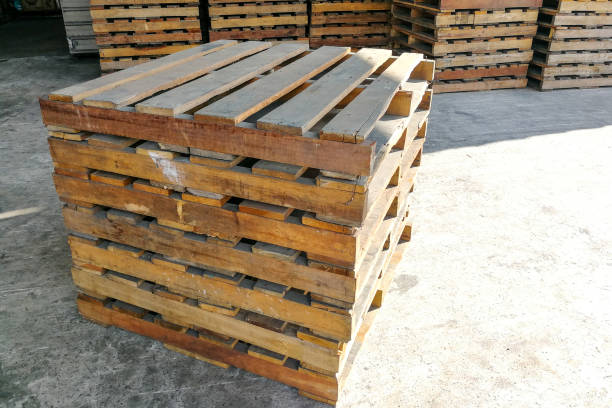
Money is the first reason. Recycled pallets usually cost a lot less than brand new ones, sometimes by half. If you move thousands a month, that adds up quickly. A pallet recycling company can also buy your old stock back, which turns waste into cash.
Other reasons companies make the switch:
Lower cost per pallet compared to new lumber
Less waste going into landfills
Steady supply, even when lumber prices jump
Custom sizes and repairs on request
Buyback programs that put money back in your pocket
Sustainability is the other big one. Plenty of customers now ask suppliers about their environmental practices. Using recycled pallets gives you an honest answer. Working with a pallet recycling company also keeps trees standing, which is a nice bonus, not just a talking point.
There’s a catch, though. Recycled doesn’t mean identical. Grades differ, and a cheaper grade might not suit your load. Ask what you’re getting before you place the order.
Typing “pallet supplier near me” into Google is the obvious first move. It works, but the results can get messy. Some listings are brokers, not real yards. Some haven’t updated their info in years. Don’t just call the first number you see.
Local matters more than people think. A pallet supplier near me that’s twenty minutes away can deliver the same day. One that’s three states over will charge freight and take a week. Shorter distance means fewer surprises, and fewer angry calls from your warehouse manager.
Check reviews, but read them with some skepticism. Look for patterns. If five different customers mention late deliveries, believe them. Photos of the actual yard help too. A tidy yard usually means tidy work.
Once you’ve got a short list, get on the phone. A decent pallet supplier near me should answer these without dodging:
What grades do you sell, and how do you define each one?
Can you handle my sizes and weight requirements?
What’s your delivery window, and do rush orders cost extra?
Do you pick up my old pallets?
Is there a minimum order?
Are your pallets heat treated for export?
Pay attention to how they answer. Vague replies are a red flag. If a pallet supplier near me can’t explain their grading in plain words, they probably don’t grade at all. Keep looking.
Searching used pallets for sale near me will give you a huge pile of options, from classified ads to big yards. Prices look great. Quality varies wildly. A cheap pallet that collapses under a load costs way more than a good one.
Look at them in person if you can. Or ask for clear photos. Don’t trust a listing that shows one nice pallet sitting on top of a messy pile. When you’re sorting through used pallets for sale near me, run through this checklist:
Cracked or split boards
Loose or missing nails
Broken or chipped blocks
Stains or odd smells that hint at chemicals
Wobbly stringers or uneven height
Anything that touches food or chemicals needs extra care. Ask where the pallets came from. A good seller will know.
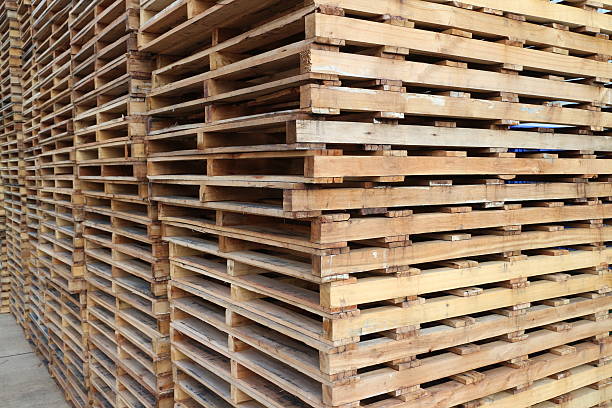
Used pallets for sale near me are great for light to medium loads, local shipping, and storage. They’re fine for most day-to-day warehouse work. Think of them as workhorses, not showpieces.
Heavier loads or export shipping may need something stronger. Some countries require heat-treated wood, and a random used pallet might not qualify. Check before you ship, not after the container gets stuck.
Good fit: local deliveries, storage, light retail goods
Fine with proper grading: medium industrial loads
Not ideal: export freight, food-grade needs, very heavy racking
If you’re buying in bulk, ask for a sample batch first. Once you’re happy, a steady order beats hunting for used pallets for sale near me every few weeks.
Pallets don’t get much attention, but they keep everything moving. Choose the right partner and you’ll spend less, waste less, and sleep better. Start local, ask hard questions, and inspect what you buy. At Southern Pallet Recycling, we’re ready to help whenever you need a hand with your next order.
Ask how they grade their pallets, and see if they can explain it without waffling. A decent pallet recycling company will let you walk the yard and take a sample batch before you commit. Read the reviews too, mainly for late deliveries. Get pickup, pricing and minimum orders sorted upfront, so nothing catches you off guard later.
Mostly money. Recycled pallets can cost half as much as new ones, and some companies will buy your old stock back. You also get a steadier supply when lumber prices jump, plus a real answer for customers who ask about sustainability.
Start local, since a supplier twenty minutes away can often deliver the same day. Be careful of brokers posing as real yards, and read reviews for patterns like repeated late deliveries. A tidy yard usually means tidy work.
Ask what grades they sell, whether they can handle your sizes and weights, and what their delivery window is. Also ask about pickup of your old pallets, minimum orders, and heat treatment for export. If they can’t explain their grading in plain words, keep looking.
They work well for local shipping, storage, and light to medium loads. Look for cracked boards, loose nails, chipped blocks, wobbly stringers, and stains or odd smells. For export freight, food-grade needs, or very heavy racking, you’ll likely need something stronger or heat treated.

At our community we believe in the power of connections. Our platform is more than just a social networking site; it's a vibrant community where individuals from diverse backgrounds come together to share, connect, and thrive.
We are dedicated to fostering creativity, building strong communities, and raising awareness on a global scale.


)
)